
Confessions
of a Booth Babe


AI Photobooths: What This Means for the Event Photo Industry
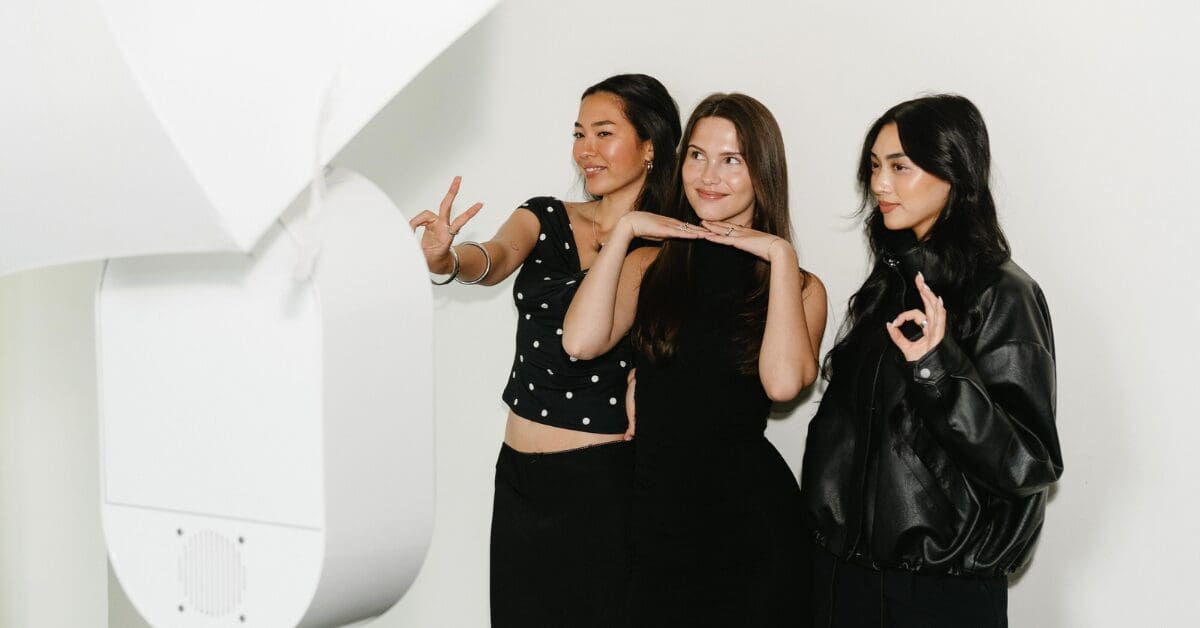
Imagine stepping into a photo booth and walking away with more than just a picture, a version of yourself reimagined through AI. You could find yourself in a cinematic scene, surrounded by a futuristic world, or transformed into a magazine-style portrait. This shift is changing how people experience photo booths across Western Canada.
AI photobooths bring together photography, artificial intelligence, and creative storytelling to turn ordinary moments into personalised visual experiences. From themed transformations and immersive effects to instantly shareable digital content, they make guests part of the creative process rather than simply capturing them in a frame. As events become increasingly focused on memorable, interactive experiences, AI photobooths are opening up a new chapter for event photography.
A New Era of Event Photography
The interesting part about AI photobooths isn’t the camera—it’s what happens after the photo is taken.
AI can take a captured image and reinterpret it through different visual instructions, themes, environments, and styles. This means the same guest interaction can produce an experience that feels far more personalised than a conventional photo booth.
In simple terms:
Traditional Booth: Capture → Print/Share
AI Experience: Capture → Create → Transform → Share
What Makes AI Photobooths Different?
A traditional booth is designed primarily around capture: pose, click, print or share. An AI photobooth adds a creative layer between the camera and the final image. Depending on the setup, guests may select a visual theme, apply an AI-generated effect, or transform their image into a stylised digital creation.
The experience can include:
- AI-enhanced portraits
- Creative backgrounds and environments
- Themed visual transformations
- Digital overlays and branded effects
- Instant digital sharing
- Interactive guest participation
This makes the booth part entertainment, part photography, and part content creation. Guests are not simply receiving a photograph; they are participating in the creation of something unique. Did You Know? An AI photo booth can turn one ordinary portrait into multiple creative experiences through AI-generated backgrounds, filters, props, and styles.
The Rise of Personalised Event Experiences
One reason the AI photobooth trend is gaining attention is the growing expectation for experiences to feel personal.
A wedding guest may want a romantic editorial-style portrait. A corporate attendee may interact with a branded visual concept. At a themed celebration, guests can become part of a completely different world. In Kelowna, West Kelowna, Lake Country, Vernon, Penticton, Summerland, Peachland, Osoyoos, Oliver, and throughout the Okanagan Valley, this can suit weddings, celebrations, corporate gatherings, and brand experiences that need a memorable visual element. Banff, Canmore, and Vancouver events can also use AI-led photo experiences to create content that feels more immersive and tailored to the event identity.
From Photo Capture to Content Creation
The biggest industry shift may be the movement from “take a photo” to “create content.” A modern AI photobooth can turn a guest interaction into something designed for digital sharing. Instead of every guest receiving an almost identical photograph, the creative output can vary according to the selected theme or prompt. For businesses, the opportunity is broader. A branded experience can make the guest part of the campaign rather than simply placing a logo on a photo. For a broader look at modern event photo experiences, read digital photo booth: why it’s the future of modern event entertainment in Western Canada.
How Prompts Shape the Experience
Behind many AI-generated visuals is a simple but powerful instruction: the prompt. A well-written photobooth ai prompt can describe the desired environment, mood, visual style, lighting, colours, or theme. An event concept might transform guests into a cinematic character, place them inside a futuristic environment, or create an editorial-inspired portrait. The quality of the prompt influences the creative direction. This means event teams can think beyond props and backdrops and start developing visual concepts before the event begins.
Theme → Mood → Setting → Style → Brand element
This helps planners create a consistent experience rather than random AI effects.
The Technology Behind the Experience
An ai photobooth generator typically combines camera capture, image processing, AI generation or enhancement, a user interface, and digital delivery. For an ai photobooth company, the challenge is not only generating impressive images. It is making the entire experience reliable, intuitive, fast, and aligned with the event. That includes thoughtful setup, clear guest instructions, suitable lighting, appropriate visual themes, and support throughout the activation.
You can explore the wider range of Flash and Frame event services to see how different photo and entertainment experiences can work together.
Why This Matters for Event Photographers
Does AI mean traditional event photography is disappearing? Not necessarily. Professional photographers and AI photo experiences serve different purposes. A photographer documents an event as it unfolds, capturing emotion, movement, relationships, details, and unscripted moments. An AI booth creates an interactive experience around selected moments. In many events, the two can complement each other. A wedding, for example, might have professional photography covering the celebration while an AI booth gives guests an additional activity. A corporate event might combine event photography with a branded AI activation designed specifically for attendee engagement. The industry may therefore become less about replacing one format with another and more about creating experiences that serve different guest needs.
A Practical Planner’s Checklist
Before adding AI to an event, planners should consider more than how impressive the final images look.
Ask:
- Does the visual concept match the event?
- Can guests understand the interaction quickly?
- Is the output appropriate for the audience?
- Can the experience support the expected guest flow?
- How will images be shared or stored?
- Are guests informed about how their images are being used?
The last question is increasingly important. AI-enabled experiences can involve personal images and generated content, so event teams should consider privacy, consent, transparency, and responsible use. NIST’s generative AI profile highlights trustworthiness considerations including privacy, transparency, accountability, and managing potential risks when AI systems are designed and used.
What Guests Actually Remember
Technology alone does not make an event memorable. People remember experiences that make them laugh, participate, connect, or see themselves in a new way.
That is where AI photobooths can add something different. For modern event planners, AI photobooths can become a creative feature guests actively seek out. A guest may already have hundreds of ordinary photos on their phone. A creatively transformed image can feel more like an experience because it gives them something they could not easily create through a standard snapshot. For Flash and Frame, the opportunity is to use technology as a storytelling tool rather than a gimmick: effortless, visually engaging, and connected to the event. A 2021 study on digital storytelling in early childhood education found that integrating digital tools can make storytelling more engaging, entertaining, communicative, and theatrical.
What Comes Next for Event Photo Experiences?
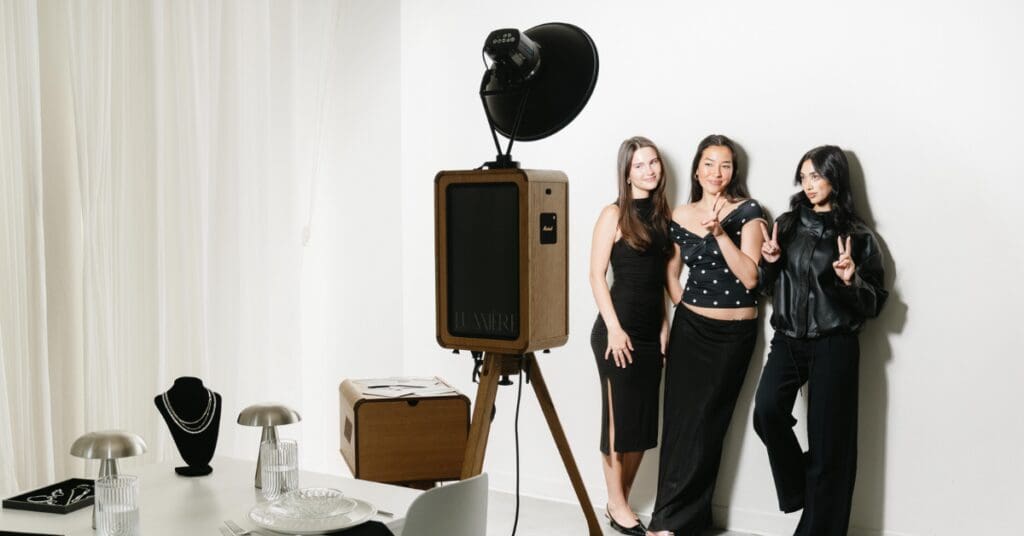
The future of event photography is likely to become increasingly interactive. AI can help booths move toward personalised content, creative experimentation, branded experiences, and stronger guest participation. At the same time, traditional photography, digital booths, GIFs, roaming photography, and other formats continue to serve important roles. The most interesting development is not simply that AI can change a photograph. It is that the boundary between photography, entertainment, and digital content is becoming less defined. For planners across Western Canada, that creates a new creative question: instead of asking what photograph should guests take, what experience should they create? That mindset could shape the next generation of event photo experiences.
Are AI photo booths the future of event photography?
AI is becoming an important part of event technology, but it is not the only direction for the industry. Traditional photography, digital booths, GIF experiences, and other interactive formats continue to have distinct roles. AI is best viewed as another creative tool that can expand what event photo experiences offer.
Ready to explore an interactive photo experience for your next event? Send an inquiry to Flash and Frame and start planning an experience designed around your guests.
AI Photobooths FAQs
How are AI photo booths changing the event photo industry?
AI photobooths are expanding event photography from simple image capture into interactive content creation. Guests can participate in themed visual experiences, receive personalised digital creations, and share content beyond the event. This adds an entertainment and engagement layer alongside traditional photography.
What is the difference between an AI photo booth and a traditional photo booth?
A traditional booth primarily captures and delivers photographs, often with filters, backgrounds, or branded templates. An AI photobooth can add generative or AI-enhanced transformations that change the creative appearance of an image. The main difference is the level of visual personalisation.
What are the benefits of using an AI photo booth at events?
Benefits can include stronger guest interaction, personalised visuals, themed content, digital sharing, and opportunities for branded experiences. For planners, AI can also provide another way to connect the event theme with the content guests create and take away.
What types of events are best suited for AI photo booths?
AI photobooths can work well at weddings, corporate events, brand activations, private celebrations, galas, launches, and themed experiences. They are particularly useful when organisers want guests to actively participate and create distinctive digital content rather than simply receive a standard photograph.


Be the first to comment